Asphalt Compaction Tips for Stronger, Longer Lasting Pavement
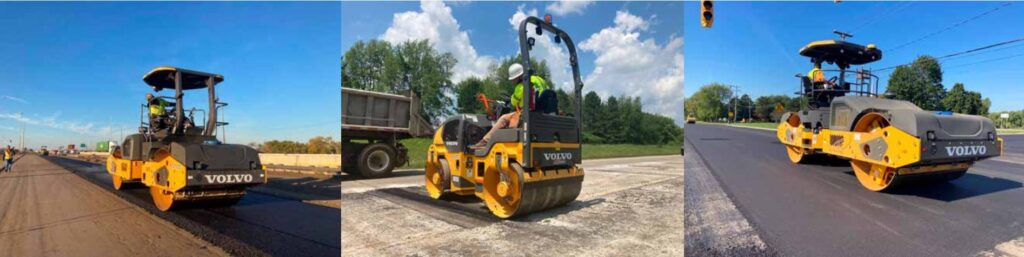
Proper asphalt compaction is one of the most critical steps in any paving project. Even with a high quality asphalt mix and precise placement, poor compaction can lead to premature cracking, rutting, moisture intrusion, and costly repairs. When the job is done right, the pavement achieves the density, durability, and smoothness required to last and perform for years. Below are practical, field tested asphalt compaction tips to help crews deliver consistent results across parking lots, roadways, large commercial paving jobs, and more.
Tip #1: Compact at the correct temperature
Temperature is one of the most important variables in accomplishing successful asphalt compaction. Your asphalt must be compacted while it is still hot enough to allow aggregate movement.
- Begin breakdown rolling as close behind the paver as possible
- Avoid waiting too long, as the mix stiffens rapidly as it cools
- Monitor mat temperature consistently across the entire pass
The ideal temperature depends on a variety of factors: composition of the mix, layer thickness, and the binding agent. You want the mix hot enough for aggregate movement but not so hot that it becomes tender under the rollers. The temperature of the mix from the truck, temperature of the air, temperature of the base, wind speed, and cloud cover all have impacts on the cooling rate and the number of passes needed. If the asphalt cools too much before compaction is complete, achieving the target density becomes nearly impossible without damaging the surface.
Tip #2: Use the right roller for the job
Different types of paving jobs require different roller configurations. Matching a roller to your specific project improves compaction efficiency and surface finish. Common kinds of asphalt rollers include:
- Tandem vibratory and oscillation rollers for breakdown and intermediate passes
- Pneumatic tire rollers for kneading action and surface sealing
- Static rollers for finish rolling and surface smoothness
If you are unsure which type of asphalt roller is best for your job, contact our team, and we’ll recommend the correct option.
Tip #3: Carefully control vibration settings
Vibration is a powerful compaction tool that helps reach your desired density without sacrificing mat integrity, but it must be used properly. Excessive vibration or incorrect frequencies can cause aggregate displacement or surface tearing. Some common best practices are:
- Using a higher amplitude for thicker lifts
- For thin lifts, use a lower amplitude and often higher frequency to avoid over compaction
- Adjust frequency to match roller speed and desired impacts per foot
- Turning vibration off before stopping or changing directions
Tip #4: Maintain constant roller patterns
Random or inconsistent rolling patterns can lead to uneven density and visible surface defects. A planned rolling sequence helps ensure uniform compaction across the entire mat. Many experienced crews document their patterns ahead of time to make sure that every operator follows the same approach throughout the project, while emerging technology such as intelligent compaction provides visual mapping of passes and pass count.
- Follow a consistent pass overlap
- Understand pass count needed for desired density
- Maintain steady roller speed
- Don't turn sharply on hot asphalt
Tip #5: Prevent over compaction
More rolling is not always better. Over compaction can crush aggregate, push asphalt binder to the surface, and create a slick or unstable finish. Knowing when to stop is just as important as knowing when to start. Here are some common signs of over compaction:
- Shoving or rippling in the mat
- Visible aggregate breakdown
- Loss of surface texture
Tip #6: Keep drums clean and properly conditioned
Dirty or poorly maintained roller drums and spray systems can cause asphalt pickup, tearing, and surface blemishes. Clean drums contribute to smoother finishes and reduce rework.
- Regularly inspect spray systems
- Keep drums free of excess material
- Only use release agents that are approved for your type of drum
Common asphalt compaction mistakes to avoid
There are several common mistakes that will lead to uneven or incorrect densities, premature cracking or breakage, and a failure to pass a final inspection. It’s important not to:
- Wait too long to start rolling
- Use vibration at incorrect speeds
- Skip rolling passes near edges and joints
- Have inconsistent techniques across different operators
Successful compaction is a combination of timing, proper methods, and using the right equipment. By monitoring temperature, using appropriate rollers, maintaining constant patterns, and coordinating with your entire road building operation, you can deliver smooth, strong, long lasting pavement.
Contact our team with any questions about compaction or choosing the best asphalt roller!